What to Know About Knee Replacement Surgery
When non-surgical treatments for a knee injury are not reducing pain, it is time to try a surgical approach.
Knee replacement surgery is a big commitment, and it is important to be fully informed about the process and the recovery. Finding the right surgeon is the first step. When choosing an orthopedic surgeon, it is important to find someone who specializes in knee surgeries. They develop a deep expertise that a generalist simply cannot offer. Orthopedic specialists can offer the most advanced treatments to manage pain and injuries in the most efficient manner. For the most accurate diagnosis and highest quality care, seeing the right doctor makes all the difference. Be certain to ask the surgeon about their surgical approach as there are several different techniques.
Anatomy of a Knee Replacement
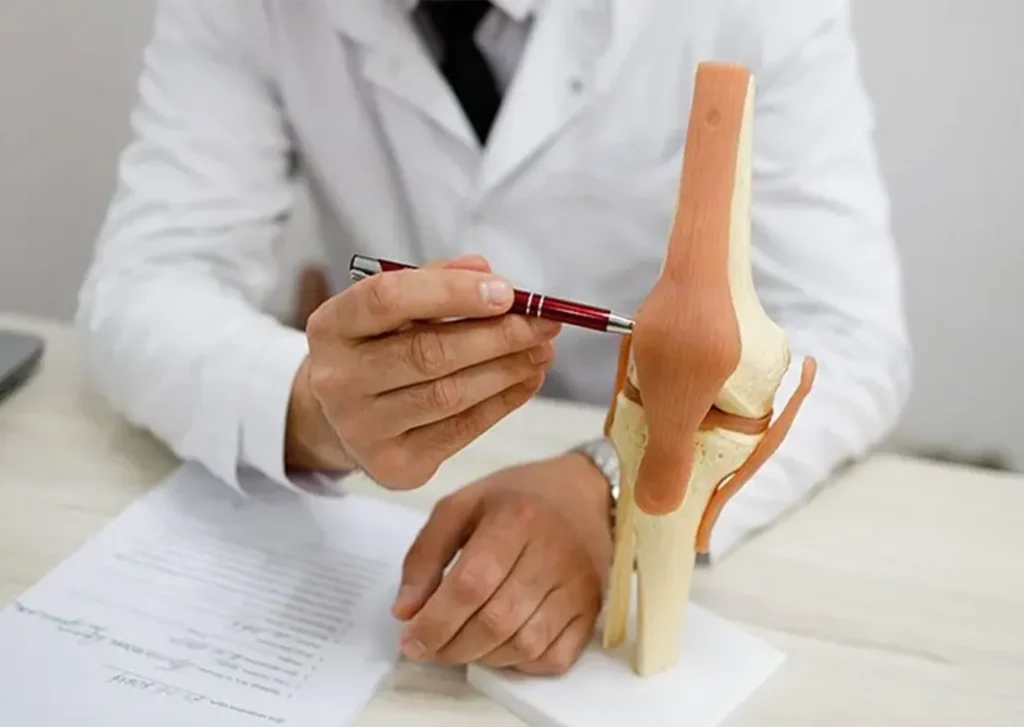
The knee is a hinge formed by the bottom of the thighbone (femur) and the top of the shin bone (tibia). In front of them is the kneecap (patella). The ends of the bones are surrounded by cartilage. As cartilage wears out over time, the bones rub against each other, causing pain.
During knee joint replacement surgery, the surgeon removes the damaged ends of the thigh and shine bones and replaces them with an implant. It is good to ask the doctor about which type of implant they use and why that choose to use that type. Prosthetic implants typically wear out in 15 to 20 years.
Preparing for Knee Surgery and Recovery
Movement matters. It is important to practice stretching and strengthening the knee as much as possible before surgery. The surgeon will prescribe a post operative physical therapy regimen. The best surgical outcomes are found in patients who are diligent about following their post operative physical therapy protocols.
The first few weeks after surgery will be painful, the orthopedic specialist will prescribe a pain relief regimen.
Before leaving for surgery the patient’s home should be set up to avoid any potential slips or falls. It would help to have certain types of equipment in the home like a walker or cane. Many orthopedic specialists send their patients home with an ice machine that circulates cold fluid around the leg.
Most knee surgeries are performed outpatient. This means the patient has the procedure and is home the same day. Some patients with other health conditions may require an overnight stay in a hospital.
Recovery times are specific to each patient and their overall health leading up to the procedure. Typically, a person may need to walk on crutches in the beginning and then slowly graduate to one crutch or cane. It can take up to six months to work up to a brisk walk and nine months to get back on the golf or tennis court.
The time will be right for surgery when a person decides it is right time for surgery. When the enjoyment of the activities of daily living is no longer present, and the pain is limiting, it is time to seriously consider the surgical route.
Residents of the Medford and Grants Pass, Oregon, areas looking for a knee or other orthopedic specialist can find help from our team of medical specialists at Southern Oregon Orthopedics.